Weight-loss guide
A practical weight-loss guide you can actually keep up
Aim for a slow, steady pace of about 1-2 pounds a week. Eat a little less than you burn, build meals around protein, vegetables and fiber, move most days, and protect your sleep. Track weekly, not daily. Losing 5% of your weight can already help blood pressure and blood sugar. Supplements are optional extras.
Written by the Slim Melt editorial teamUpdated
How fast should you expect to lose weight?
Slower than ads suggest, and that is a good thing. The CDC advises a gradual pace of about 1 to 2 pounds a week, because people who lose weight at that speed are more likely to keep it off (CDC, Steps for losing weight).
Small goals matter too. For a person who weighs 200 pounds, losing 10 pounds, or 5%, can improve blood pressure, cholesterol and blood sugar (CDC, Steps for losing weight). You do not need a dramatic change to get a real health benefit.
If past attempts did not last, that is not a personal failure. Most crash plans are built to be quit. This guide is about habits small enough to repeat on a busy, tired, ordinary week.
What does a realistic first three months look like?
Every body is different, so treat this as a rough map rather than a promise.
- Week 1
Pick two changes only, such as a vegetable at dinner and a 10-minute walk after lunch. Weigh once and write it down.
- Weeks 2-4
The scale may jump around. Water, salt and hormones move it day to day. Look at the weekly trend, not single readings.
- Month 2
Add one habit: a protein-rich breakfast, an earlier bedtime, or a longer weekend walk. Keep the first two going.
- Month 3
Check progress against the 1-2 pound weekly pace (CDC, Steps for losing weight). If you are stuck, change one thing, not everything.
- After that
Keeping weight off uses the same habits. There is no finish line where you go back to old routines.
Do calories really matter for weight loss?
Yes. Weight goes down when you take in a bit less energy than your body uses over time. Federal health advice puts healthy eating, fewer calories and regular exercise at the center of weight loss (NIH ODS, Weight-loss supplements (consumer)).
You do not have to count every number to do this. Many people do well with simple swaps that cut calories quietly:
- Water, sparkling water or unsweetened tea in place of sweet drinks.
- A smaller plate, and half of it filled with vegetables.
- Snacks you plan, rather than snacks you find.
- Added sugar kept low. The Daily Value is 50 g, and labels show it as a percentage (FDA, Added sugars on the label).
Your needs depend on your size, age and activity, so we do not print a calorie target here. A doctor or registered dietitian can give you one that fits.
Which foods help you feel full while eating less?
Protein and fiber help most people stay satisfied, which makes eating a little less feel easier.
Some at every meal
Eggs, yogurt, beans, lentils, fish, chicken or tofu. A protein food at breakfast often means fewer snacks before lunch.
Plants first
Vegetables, fruit, oats, beans and whole grains add bulk and take longer to eat. Increase slowly and drink water to avoid bloating.
Easy extra calories
Sweet drinks, fried snacks, large portions of sweets and alcohol add up fast without filling you up.
No single food is off limits. A plan you enjoy beats a perfect one you quit.
How much exercise do you need to lose weight?
Movement helps most when it is regular, and the best kind is the one you will keep doing. Mayo Clinic says lasting weight loss depends mainly on healthy eating plus more physical activity (Mayo Clinic, Weight-loss supplements).
- Walk after meals. Even short walks add up across a week.
- Add some strength work twice a week: stairs, bands or body-weight moves.
- Stand up and move for a few minutes each hour if you sit a lot.
- If you have joint pain, heart disease or a lot to lose, ask your doctor what is safe to start with.
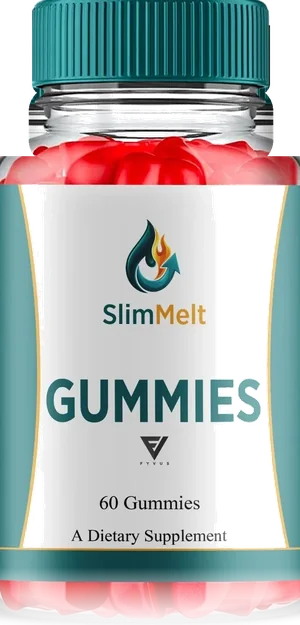
Try Slim Melt for 30 days2 gummies a day · 60 per bottle · today's price at checkout
See today's priceWhat does a healthy daily routine for weight loss look like?
Sleep, meals and movement work best on a steady schedule. Here is one example day you can adjust.
- Breakfast, about 8:00
Chew 2 gummies, then drink a glass of water to rinse the vinegar off your teeth.
- Or dinner, about 6:30 pm
Pick one time and keep it, so you never take a second serving by mistake.
- Walk after a meal
Activity plus fewer calories is what moves the scale. A short daily walk counts.
- Medicines at their own times
If you take insulin, diabetes pills or water pills, ask your pharmacist first.
The label serving is 2 gummies a day; the times are examples. Weight-loss pace (CDC, Steps for losing weight); vinegar and medicines (RxList, Apple cider vinegar).
Short or broken sleep makes many people hungrier and more tired the next day, which makes every other habit harder. A regular bedtime, a dark room and a screen-free last half hour are simple places to start.
How should you track weight-loss progress?
Track a few things once a week. Daily weigh-ins mostly measure water and can feel discouraging.
| What to track | How often | Why it helps |
|---|---|---|
| Weight | Once a week, same day, same time | Shows the real trend without daily noise. |
| Waist | Every two weeks | Can change even when the scale stalls. |
| Meals | A quick note most days | Reveals patterns, like late snacking. |
| Steps or active minutes | Daily, from a phone or watch | Easy proof that you are moving more. |
| Sleep | Bedtime and wake time | Poor nights often explain hungry days. |
| How you feel | One line a week | Energy, mood and clothes fit count as progress too. |
When should you see a doctor about your weight?
Weight loss or gain you cannot explain, especially without trying. Constant tiredness, feeling very thirsty, or needing to pass urine often. Swelling in your legs, shortness of breath, or trouble swallowing. These can be signs of a health problem, not a diet issue.
It is also worth a visit before you start if you take medicines for diabetes, blood pressure or your heart, if you are pregnant or nursing, or if you have a lot of weight to lose. A doctor can check your thyroid, blood sugar and B12, and talk through prescription options when lifestyle changes are not enough.
Do weight-loss supplements help, and where does Slim Melt fit?
Supplements play a small part at most. Mayo Clinic says little proof exists that any supplement helps with healthy, long-term weight loss (Mayo Clinic, Weight-loss supplements), and FDA does not approve supplements before they are sold (FDA, Dietary supplements Q and A).
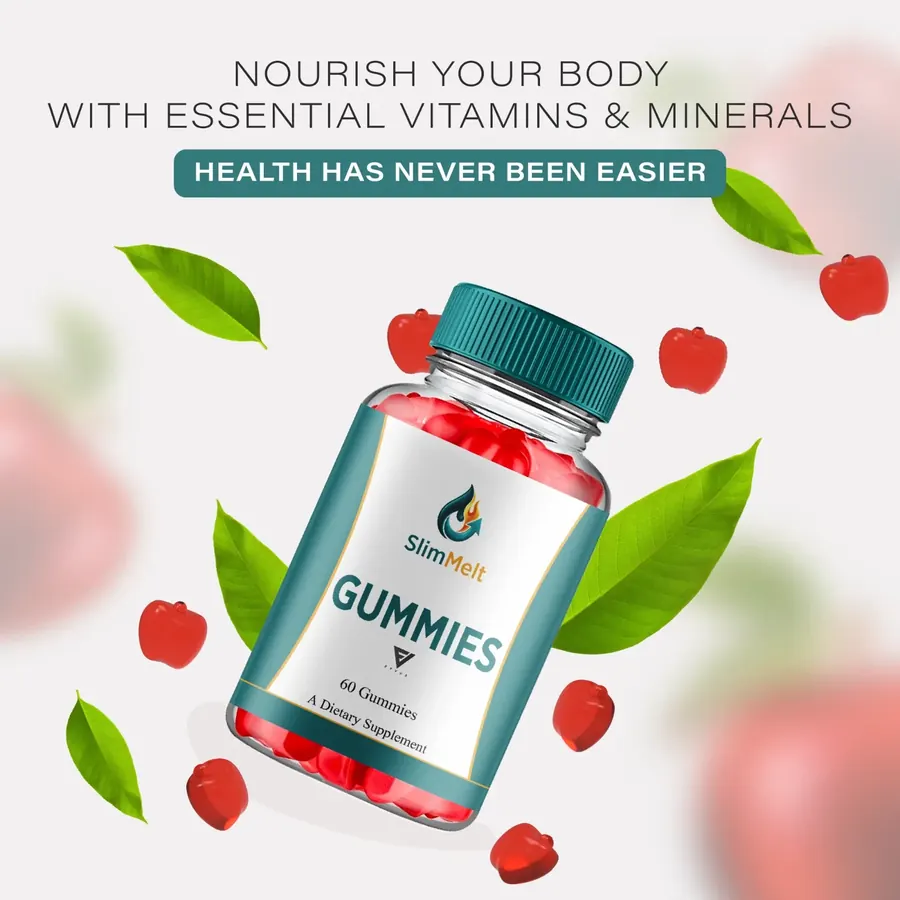
Slim Melt is a gummy with 1000 mg of apple cider vinegar powder and B6, folate and B12 at normal daily amounts. Mayo Clinic says apple cider vinegar is not likely to cause weight loss (Mayo Clinic, ACV for weight loss), and no published trial has tested ACV gummies. If you want to take it, think of it as part of a routine, not the engine of change. Our guide to choosing a weight-loss supplement shows how to judge any product, and how to use Slim Melt covers the daily routine.
FAQ
Questions about losing weight
How much weight can I safely lose in a month?
About 4 to 8 pounds a month, based on the CDC advice of 1 to 2 pounds a week (CDC, Steps for losing weight). Some people lose more in the first weeks from water. A steady pace is easier to keep off. Faster loss on a supervised medical plan should be guided by your doctor.
What is the easiest way to start losing weight?
Pick two small changes you can keep, such as swapping sweet drinks for water and walking after one meal a day. Weigh once a week. When those feel normal, add another habit. Small changes repeated for months beat big ones that last a week.
I eat less, so why is my weight not dropping?
Common reasons are hidden calories in drinks and snacks, portions that crept up, less movement than you think, poor sleep, or water shifts that hide fat loss. Some medicines and health conditions also play a part. Track for two weeks, then talk to your doctor if nothing changes.
How much does losing 5% of body weight help?
More than many people expect. The CDC notes that a 200-pound person who loses 10 pounds, which is 5%, can see better blood pressure, cholesterol and blood sugar (CDC, Steps for losing weight). It is a realistic first goal and a good reason to celebrate progress.
When is weight loss a sign of something serious?
When you lose weight without trying, or alongside tiredness, thirst, frequent urination, pain, or changes in appetite or bowel habits. Unexplained weight gain with swelling or shortness of breath also needs a check. See a doctor rather than waiting it out.
Can I lose weight with supplements alone?
No reliable evidence shows that. Federal fact sheets say few weight-loss supplements are tested well, and effects are small (NIH ODS, Weight-loss supplements (consumer)). The FTC lists weight loss with no diet or exercise change as a red-flag claim (FTC, Gut Check guide). Eating and movement do the main work.
Who wrote this
Written and reviewed by
Plain-language pages built from the bottle label and linked medical sources.
Last updated . See our editorial standards and how we check reviews. This website is run by an authorized U.S. retailer, not by the manufacturer. Buying through our order links earns us a commission.
Keep reading
More about Slim Melt
Weight guides
Two core guides and seven articles on weight, vinegar, vitamins and supplement claims, with a start-here path.
Read more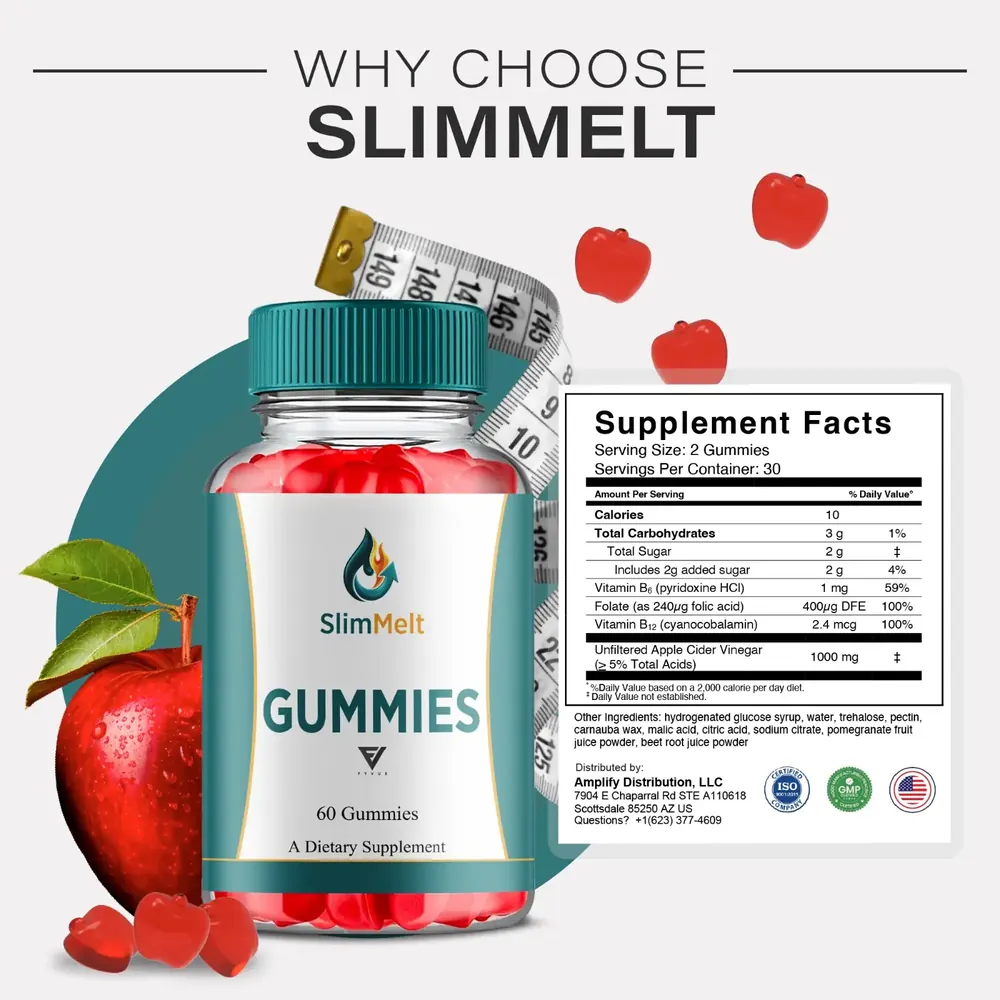
Choosing a supplement
Six questions to ask before you buy any weight-loss supplement, with Slim Melt scored against each one.
Read more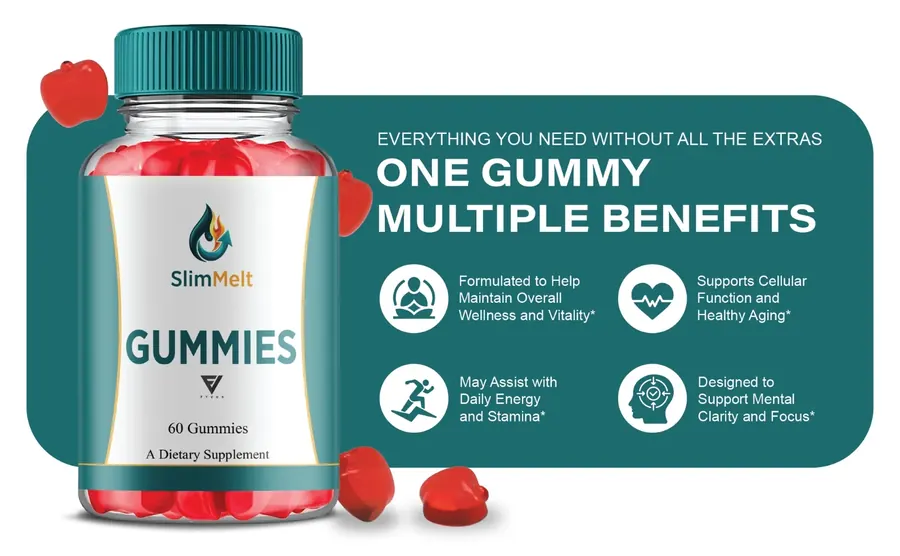
How to lose weight safely
The CDC's safe pace, why 5% is a real win, and a plan you can start this week.
Read moreUSA authorized Slim Melt retailer
Ready to try Slim Melt?
Pick a pack. Two gummies a day, 30 days a bottle. Check today's price and the return terms on the order page before you pay.
- Secure checkout
- Return terms shown before you pay
- Tracking in the order email